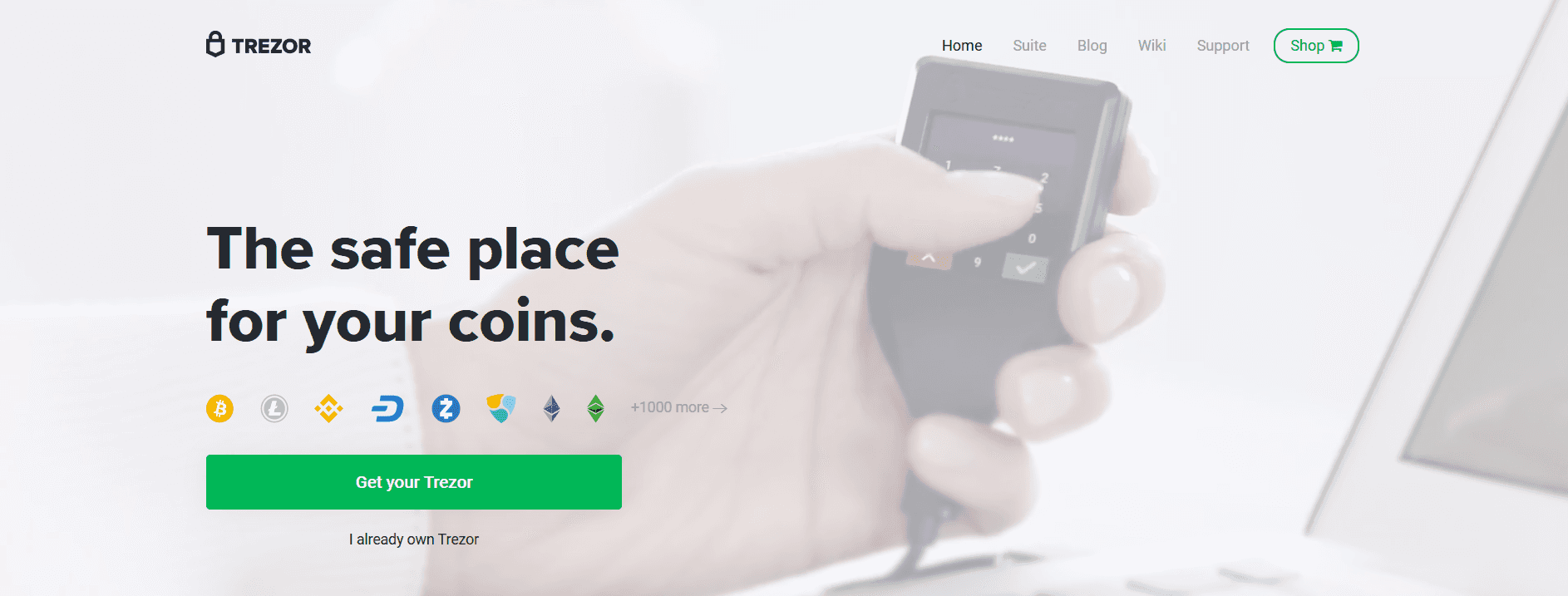
Trezor Login – Accessing and Managing Your Cryptocurrency Securely
1. What Is Trezor Login?
Trezor Login is the process of accessing your Trezor hardware wallet via the Trezor Suite or compatible web interfaces. Unlike traditional online logins, Trezor Login does not involve a username or password stored on a server. Instead, it relies on your hardware wallet, PIN, and optional passphrase to authenticate and secure access.
This approach ensures that your private keys never leave the device, keeping your cryptocurrency safe from hacks or phishing attempts.
2. Why Trezor Login Is Important
Logging in to Trezor is a critical step because it:
Confirms the wallet you are accessing is genuine
Ensures that all transactions are verified on the hardware device
Protects private keys from being exposed to your computer or online environment
Provides a gateway to manage multiple cryptocurrencies safely
Without proper login verification, funds could be compromised, making Trezor Login a key security checkpoint.
3. How Trezor Login Works
Trezor Login differs from typical online logins:
Connect Your Device – Plug your Trezor hardware wallet into your computer or mobile device.
Enter Your PIN – The PIN unlocks the device. Each digit entry is randomized to prevent keylogging.
Optional Passphrase – If enabled, a passphrase can provide access to a hidden wallet.
Access via Trezor Suite – Once verified, you can manage cryptocurrencies, view balances, and make transactions securely.
All operations are signed on the device, so the login itself never exposes private keys.
4. Steps for Trezor Login
Step 1: Connect Your Device
Use a USB cable to connect your Trezor hardware wallet to your computer or mobile device.
Ensure the device powers on and displays the welcome screen.
Step 2: Open Trezor Suite
Launch the Trezor Suite application.
The software will automatically detect the connected device.
Step 3: Enter Your PIN
Input your PIN directly on the Trezor device.
Randomized numbers ensure security against keyloggers.
Step 4: Enter Passphrase (Optional)
If a passphrase is configured, type it on your device or computer interface.
This unlocks any hidden wallets associated with your Trezor.
Step 5: Access Your Wallet
Once verified, your Trezor Suite dashboard opens.
You can now check balances, send and receive crypto, and manage accounts securely.
5. Tips for Secure Trezor Login
Always use a private, trusted device for login
Never share your PIN or passphrase
Keep your recovery seed offline and safe
Avoid public or shared computers
Verify the Trezor Suite version to prevent vulnerabilities
Following these steps ensures maximum protection during login.
6. Troubleshooting Trezor Login Issues
Common issues and solutions:
Device not detected – Ensure USB cable is connected properly and the device is powered on.
Incorrect PIN – Make sure you are entering the correct PIN; repeated failures reset the device.
Passphrase not recognized – Double-check spelling and case sensitivity.
Trezor Suite not opening – Update to the latest version or restart your computer.
7. Security Advantages of Trezor Login
No online storage of private keys – Keys stay on the device.
Transaction verification on-device – Ensures authenticity.
Protection against phishing – Login does not rely on usernames or passwords.
Support for hidden wallets – Optional passphrase allows multiple secure accounts.
These features make Trezor Login more secure than traditional web wallets.
8. Conclusion
Trezor Login is a secure, hardware-based authentication system that allows users to access their cryptocurrency safely. By combining device verification, PIN entry, and optional passphrases, Trezor ensures full control of your digital assets while minimizing online risks.
Key Takeaways:
Private keys remain on the hardware device
Login requires physical device verification
Optional passphrases enhance privacy
Always follow best practices to prevent unauthorized access